Published 30 September 2026
From Scorching Heat Straight into Heavy Rain: Why Is Vehicle Paint Vulnerable to Damage During Seasonal Changes?
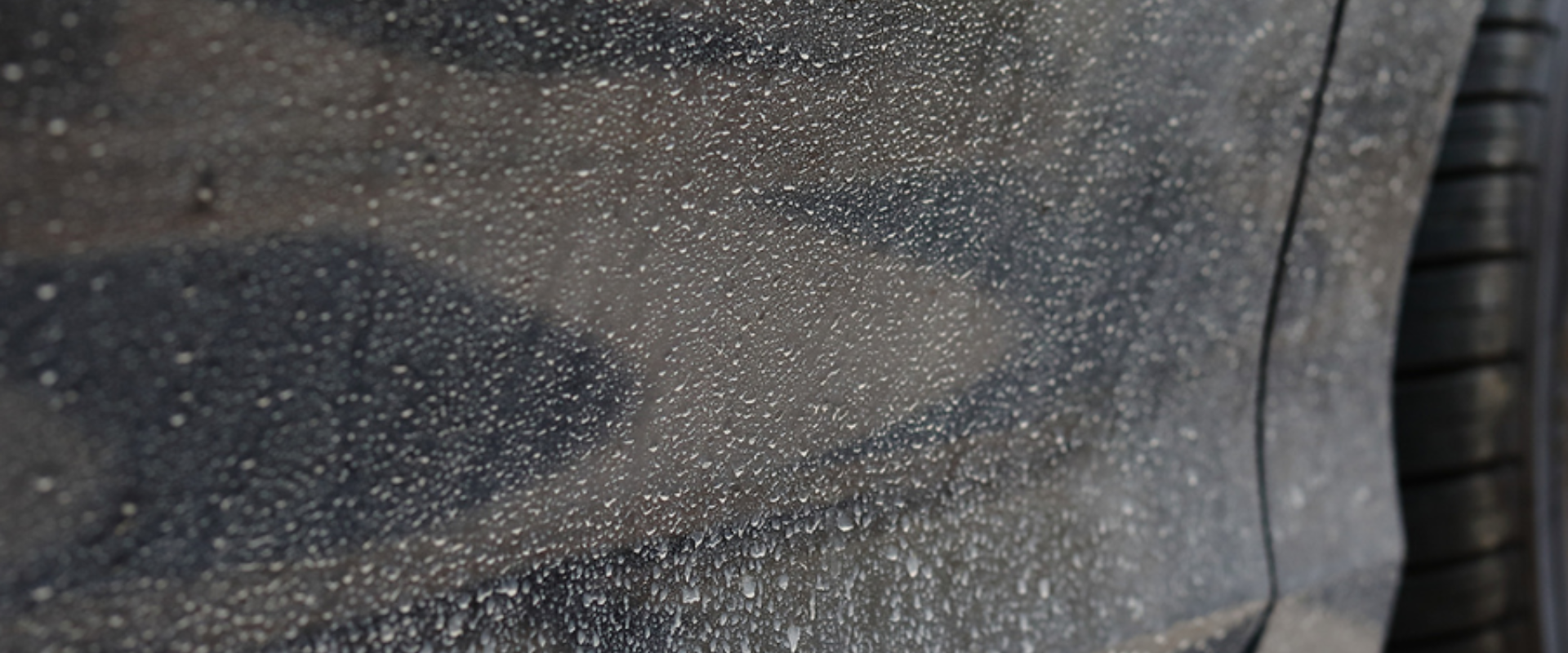
Have you ever noticed your car’s surface suddenly covered in spots after being caught in the rain following extremely hot weather? This is more than just an appearance issue. Extreme temperature changes can put stress on a vehicle’s paint layers. This is one reason car paint can be damaged by rain, especially when a hot car body is suddenly exposed to rainwater and is not cleaned promptly.
Read Also: How to Maintain Matte Car Paint to Prevent It from Becoming Dull
Why Can Temperature Changes Affect Car Paint?
When a car is parked under direct sunlight, the temperature of its body surface can rise significantly. The material layers on the body then expand. When rain suddenly falls, the surface cools down again within a short period of time.
This rapid change in temperature from hot to cold is known as thermal shock. Repeated cycles of expansion and contraction can place stress on the protective paint layer, particularly if the protection is inadequate or the surface has already begun to deteriorate.
The risk can become greater during seasonal transitions when weather conditions are unpredictable. A car body may go through cycles of heat, rain, heat again, and so on within a relatively short period.
Rain Can Also Cause Water Spots
In addition to temperature changes, rainwater can carry various contaminants and minerals from the atmosphere. When water droplets dry on the car’s surface, residual minerals and contaminants can remain behind, forming marks known as water spots.
If the vehicle is left in this condition, the spots can become increasingly difficult to remove. Exposure to sunlight after rain can also accelerate the drying of water droplets, making residue more likely to adhere to the surface.
This is why car paint damage caused by rain does not always mean that the paint immediately peels or changes color. Damage may begin with seemingly minor problems, such as water spots, a dull surface, or changes in the appearance of the protective layer.
The Risk of Micro-Cracking in Paint Layers
Repeated temperature changes can also place stress on the paint and clear coat layers. Under certain conditions, this stress may potentially cause micro-cracking, which refers to extremely fine cracks that may not yet be clearly visible from a distance.
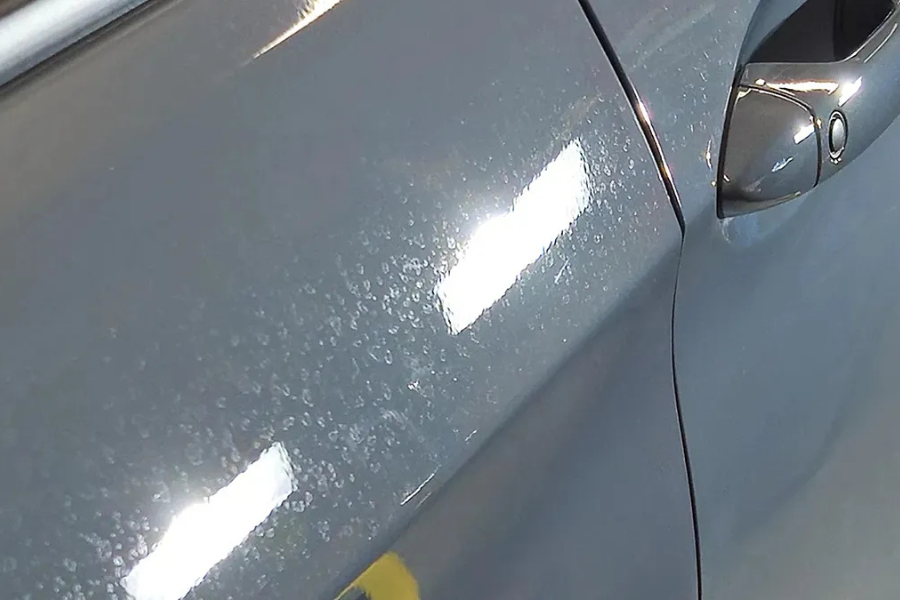
A protective layer with good weather resistance and suitable elasticity is needed to withstand environmental changes. A clear coat does more than provide gloss; it also serves as one of the protective layers against external factors such as UV rays, water, and weather conditions.
Therefore, the quality of the clear coat plays an important role in maintaining the vehicle’s appearance, particularly in areas with high levels of sun and rain exposure.
How to Protect Car Paint from Changing Weather Conditions
Regular maintenance remains an important step in maintaining the condition of a vehicle’s surface. Some habits that can help include:
-
Clean the vehicle promptly after it has been exposed to rain, especially if there is a significant amount of dirt or residue on the surface.
-
Avoid allowing water droplets to dry for too long under direct sunlight.
-
Wash the vehicle using suitable products to prevent dirt and mineral deposits from accumulating.
-
Apply additional protection to the paint surface according to the vehicle’s needs.
-
Pay attention to the condition of the clear coat and carry out repairs if the protective layer begins to show signs of damage.
Providing protection from the beginning can help reduce the effects of repeated exposure to changing weather conditions.
Read Also: Tips for Creating Aesthetic Automotive Content: Why Is a Glossy Vehicle Finish the Key?
Use a Clear Coat with Good Weather Resistance
For refinishing applications, the quality of the clear coat needs to be carefully considered because this is the outermost layer that comes into direct contact with the environment. Products with good weather resistance can help provide more effective protection against exposure to weather conditions and UV rays.
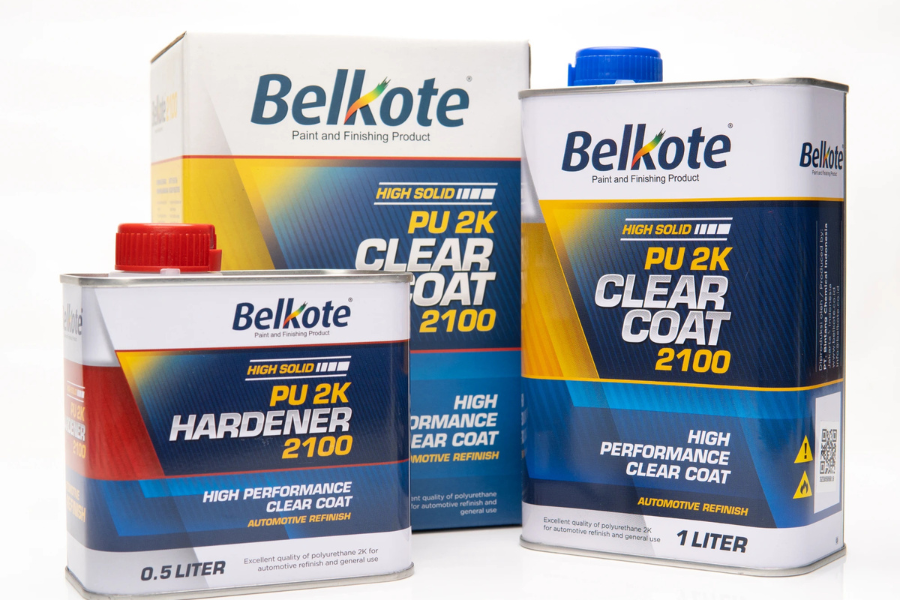
One option for this purpose is Belkote PU 2K Clear Coat 2100. This product is designed with good weather resistance, including resistance to UV exposure. These characteristics help support the protection of the vehicle’s paint layers against changing environmental conditions.
A clear coat with suitable durability and elasticity is also important in helping the protective layer withstand cycles of temperature change. With proper protection, the risk of deterioration in the paint’s appearance due to environmental exposure can be minimized.
Don’t Ignore Changing Weather Conditions
Scorching heat followed by rain is more than just an ordinary change in weather for a vehicle. Cycles of heating and cooling, combined with rainwater, minerals, contaminants, and UV exposure, can place stress on the protective paint layers.
Therefore, understanding why car paint can be damaged by rain can help vehicle owners determine the appropriate maintenance. In addition to washing the vehicle regularly, make sure the clear coat has good weather resistance so that the paint surface remains protected and its appearance is better maintained throughout seasonal changes.