
Published 23 February 2026
Flood-Damaged Car Rusting? Don’t Wait Until It Gets Worse, Here’s the Solution
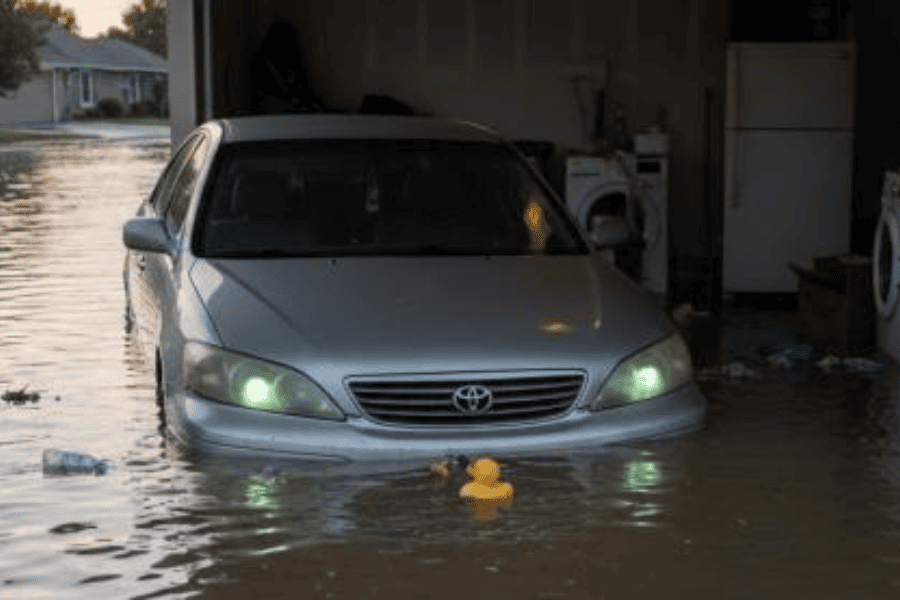
Floods affecting areas such as Jakarta, Bekasi, and several other major cities have once again caused losses, including damage to personal vehicles. Many cars were submerged up to half their body, and some were almost entirely covered by water.
One impact that is often not immediately visible is rust after a car has been submerged in floodwater. This damage usually appears days to weeks after the incident, when owners feel the car is already safe to use again.
In fact, floodwater can trigger corrosion faster than ordinary water.
Read Also: Tips for Choosing a Car Workshop During the Rainy and Flood Season
Why Do Flood-Submerged Cars Rust?
Rust occurs due to the reaction of metal with water and oxygen. When a car is submerged in floodwater, this process happens faster because of several factors:
1. Floodwater Contains Corrosive Substances
Floodwater is generally mixed with mud, waste, and chemical particles from roads. These contents accelerate oxidation on metal surfaces.
2. Water Enters Hidden Gaps
Water does not only affect the exterior of the car. Door gaps, panel folds, the undercarriage, and body joints can trap residual water and mud. These areas are difficult to clean thoroughly and often become the starting point of corrosion.
3. The Paint Layer Is No Longer Perfect
Small scratches or thinning paint make metal more exposed to water. After being submerged, these areas become the most vulnerable to rust.
Car Parts Most Vulnerable After Flooding
If your vehicle was submerged, check the following areas:
-
Lower door panels
-
Fender and wheel arch
-
Inner hood area
-
Undercarriage
-
Body joints and folded sections
Rust from flood damage often begins in areas that are rarely noticed.
Early Signs of Rust
Some early warning signs include:
-
Brownish spots appearing on the body
-
Paint starting to bubble
-
Rough surface when touched
-
Stains that do not disappear even after washing
If these signs appear, immediate action is recommended before rust spreads further.
How to Handle a Flood-Submerged Car with Rust
Quick handling greatly determines the future condition of the vehicle. Here are steps that can be taken:
1. Clean Thoroughly
Wash the car immediately after floodwaters recede, including the undercarriage and panel gaps. Make sure all parts are completely dry before using the vehicle again.
2. Perform a Detailed Inspection
Check areas that were previously submerged. If there is peeling paint or early signs of rust, do not delay repairs.
3. Repair Specific Areas Without Full Body Repaint
Not all conditions require repainting the entire body. For light rust or spot repairs, treatment can be done only on affected areas.
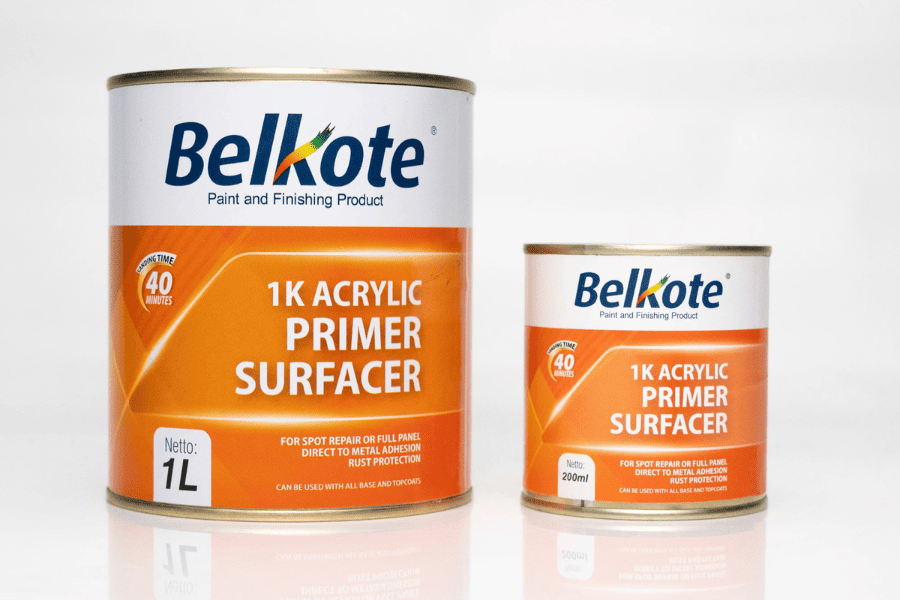
Using an anti-corrosion primer can help stop rust from spreading while serving as a base layer before repainting. One solution that can be used is Belkote 1K Acrylic Primer Surfacer. This product is suitable for:
-
Repairs on specific areas
-
Covering metal surfaces before repainting
-
Helping prevent further corrosion development
With proper application, primer surfacer helps create strong adhesion while providing additional protection against potential rust.
Read Also: Protect Your Car from Floods with High-Quality Anti-Rust Car Paint
Fix It Now, Avoid Bigger Costs Later
Many vehicle owners feel their car is safe once the engine runs normally again. However, flood damage to the body often appears later.
A flood-submerged car that develops rust does not only affect appearance. If left untreated, corrosion can weaken panel structures and reduce vehicle value. Repair costs can become higher compared to early treatment.
Especially after major floods in several areas, the risk of vehicles being exposed to dirty water increases significantly. A thorough inspection and preventive action are essential steps to maintain optimal vehicle condition.